We are currently experiencing hot weather in Malaysia and this may continue until June (2026).
It is therefore important to take precautions to protect ourselves.
Extremely hot weather can be unsafe for anyone, especially older adults or those with underlying health problems.
It is important to be cautious and take preventive measures when you are overheated.
Otherwise, exposure to extreme heat may lead to serious health consequences and potentially life-threatening outcomes.
Heat-related illnesses include:
Heat syncope refers to fainting episodes or dizziness that usually occur after standing for a long time, or when suddenly standing up after sitting or lying down, in hot weather.
Contributing factors include dehydration and lack of acclimatisation to heat.
Heat cramps are painful muscle spasms or tightness in the stomach, arms or legs.
They often occur after strenuous exercise that leads to heavy sweating.
Sweating causes the body to lose salt and water, and low salt levels in the muscles may lead to painful cramps.
Heat cramps can also be a symptom of heat exhaustion.
Heat oedema refers to swelling of the ankles and feet when the body is exposed to high temperatures.
Heat rash is a skin irritation caused by excessive sweating in hot and humid weather.
It appears as clusters of red bumps or small blisters.
It is more likely to occur on the neck, upper chest, groin, under the breasts and in the folds of the elbows.
The skin may feel itchy or prickly.
Sunburn occurs when the skin is damaged by excessive or prolonged exposure to sunlight.
It reduces the body’s ability to cool itself.
The skin may appear red and tender, develop blisters, peel, and feel hot to the touch.
Heat exhaustion is a warning sign that the body can no longer keep itself cool.
It is a milder form of heat-related illness and may occur after several days of exposure to high temperatures, combined with inadequate or unbalanced fluid intake.
Symptoms may include thirst, dizziness, weakness, fatigue, poor coordination, irritability, nausea, vomiting, headache or muscle cramps.
A person may sweat heavily, and although the body temperature may remain normal, the skin may feel cool, pale and clammy.
The pulse may become fast and weak, and breathing may be rapid and shallow.
If symptoms do not improve quickly, heat exhaustion can progress to heat stroke.
Heat stroke is a medical emergency and the most severe heat-related illness.
The body temperature may rise above 40°C.
It occurs when the body loses the ability to regulate its temperature: the temperature rises rapidly, the sweating mechanism fails and the body cannot cool down.
Signs of heat stroke include:
- Fainting
- Confusion or unusual behaviour
- Slurred speech
- Altered mental state
- Absence of sweating despite hot weather
- Hot and dry flushed skin
- A strong and rapid pulse
- Nausea and vomiting
- Shortness of breath
- Headache, or
- A slow and weak pulse.
However, the symptoms of heat stroke in older adults may differ from those in younger adults.
In elderly patients, heat stroke may present with:
- Reduced appetite
- Poor concentration
- Dizziness
- Ringing in the ears
- Poor coordination or weakness
- Falls
- Fainting
- Headache, and
- Fatigue.
In severe cases, confusion, coma, seizures, or loss of bladder and bowel control, may also occur.
Complications of heat stroke may include:
- Acute kidney failure
- Brain swelling
- Brain haemorrhage
- Rhabdomyolysis (rapid breakdown of damaged muscles)
- Multiple organ failure, and
- Death.
The death rate of heat stroke may exceed 30%.
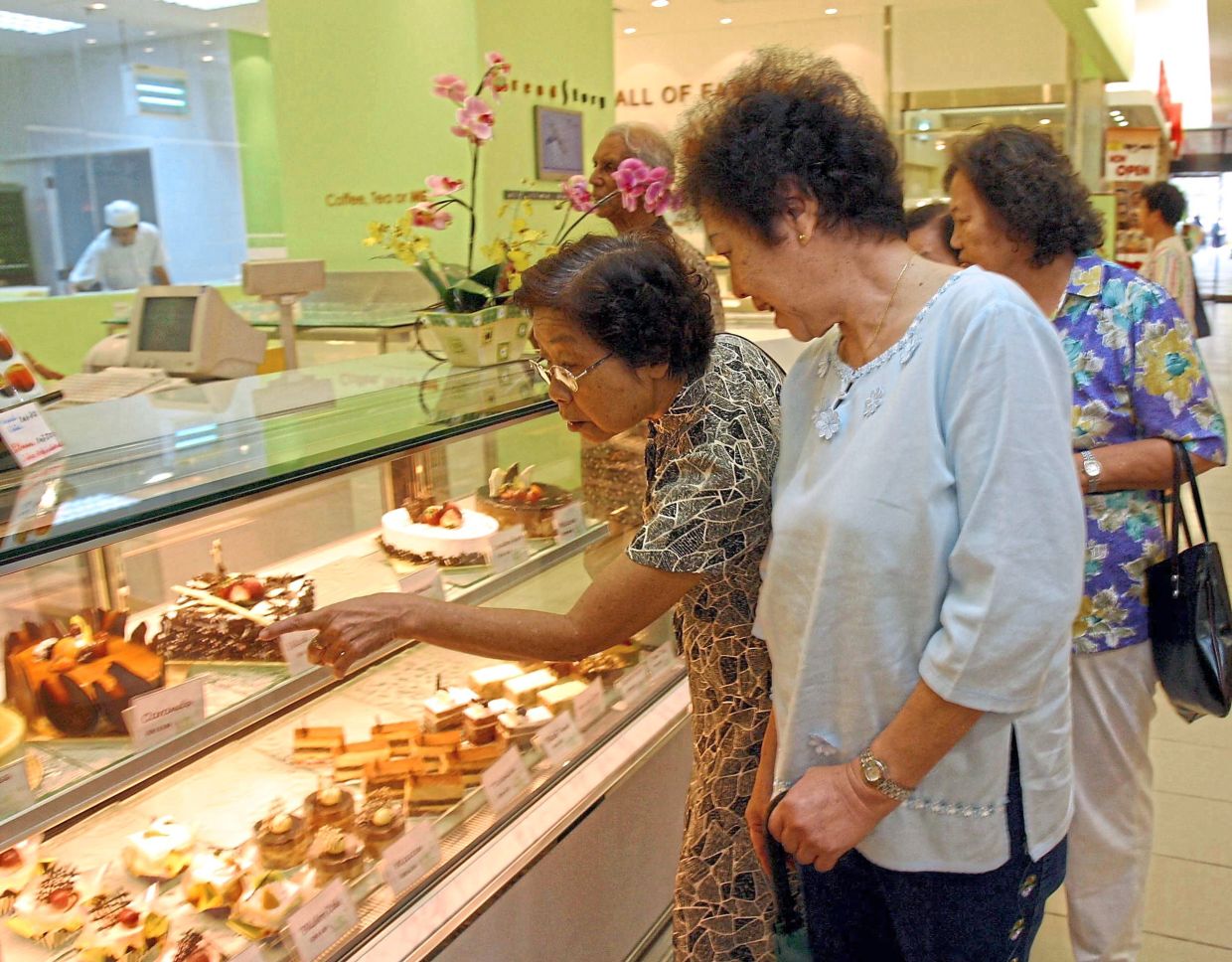
Risk factors in older adults
Older adults are at higher risk of developing heat-related illnesses and death.
Factors that increase this risk include:
- Reduced ability to adapt to sudden temperature changes
- Chronic diseases that affect the body’s response to heat
- Medical conditions such as heart, lung or kidney disease
- Age-related changes in the skin
- Illnesses that cause weakness or fever
- Medications such as diuretics, sedatives, tranquillisers, and certain heart or blood pressure medications that make it harder for the body to cool down or sweat
- Taking multiple prescription medications
- Obesity, overweight or underweight
- Alcohol consumption
- Living in homes without air-conditioning or fans
- Dehydration.
Tips to stay safe
Heat-related illnesses in older adults can often be prevented.
The following simple steps can help reduce the risk during hot weather:
Drink plenty of fluids so that your body can sweat and maintain a normal body temperature.
Drink water, fruit juices, vegetable juices or electrolyte-containing beverages.
Avoid drinks with high sugar content, alcohol or caffeine as they may increase dehydration.
Do not wait until you feel thirsty to drink.
If your doctor has advised fluid restriction or prescribed diuretics, ask how much fluid you should drink during hot weather.
Heavy sweating removes salts and minerals that need to be replaced.
Sports drinks may help replenish these losses.
However, people on a low-salt diet, or those with diabetes, hypertension (high blood pressure) or other chronic diseases, should consult their doctor before consuming sports drinks.
If your living space is very warm, try spending time in air-conditioned places during midday, such as shopping malls, cinemas, libraries or a friend’s house.
Even a few hours in air-conditioning can help your body stay cooler when you return to a hot environment.
Wear lightweight, light-coloured, loose-fitting clothing.
Natural fabrics such as cotton may feel cooler than synthetic materials.
Wear wide-brimmed hats, sunglasses and use an umbrella when outdoors.
When outdoors, apply broad-spectrum sunscreen with SPF 30 or higher that protects against UVA and UVB rays.
Reapply throughout the day, especially if your skin is exposed to sunlight for long periods.
Try to schedule physical activities during cooler times of the day, such as early morning or evening.
If strenuous activity in hot weather cannot be avoided, drink plenty of water and rest in a cool place frequently.
If you must go outside, limit your time outdoors and avoid crowded places.
Stay in the shade, especially between 11am and 3pm.
Plan errands during off-peak hours.
Ask your doctor whether any medications you take may increase your risk of overheating or sunburn.
People at higher risk for overheating should take extra precautions.
If you are caring for children or older adults, help them stay away from excessive heat.
If you notice symptoms of heat-related illness, take immediate action.
It is dangerous to remain in a parked car under the sun.
Within 10 minutes, the temperature inside a vehicle can rise by more than 11°C.
If you are 65 years or older, ask a friend or relative to check on you twice daily during a heatwave.
If you know someone in this age group, check on them at least twice a day.
Dr Tay Hui Sian is a consultant geriatrician and internal medicine physician. For more information, email starhealth@thestar.com.my. The information provided is for educational and communication purposes only, and should not be considered as medical advice. The Star does not give any warranty on accuracy, completeness, functionality, usefulness or other assurances as to the content appearing in this article. The Star disclaims all responsibility for any losses, damage to property or personal injury suffered directly or indirectly from reliance on such information.